Jan. 14, 2011
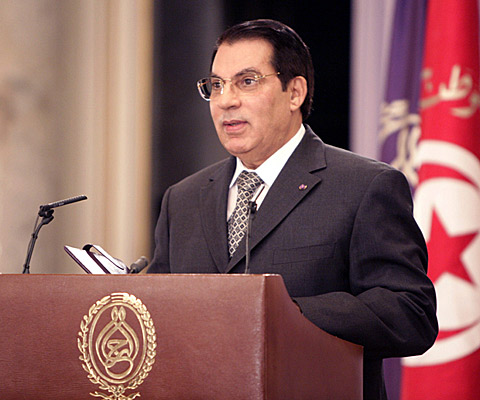
Tunisia
Ousted
President Zine el Abidine ben Ali flees Tunisia after weeks of massive protests over widespread unemployment and corruption under his 23-year regime.
Zine el Abidine ben Ali in 2007
(AFP/Getty Images)
Feb. 11, 2011
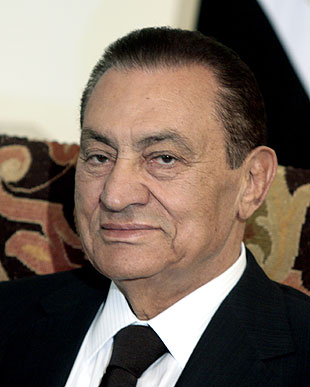
Egypt
Ousted
Less than 24 hours after a patronizing speech in which he insisted he wouldn’t resign, Egyptian President Hosni Mubarak fled his palace by helicopter and left it to his newly appointed vice president to tell the nation he had turned power over to the military.
Hosni Mubarak in 2010
(Amr Nabil / Associated Press)
April 11, 2011
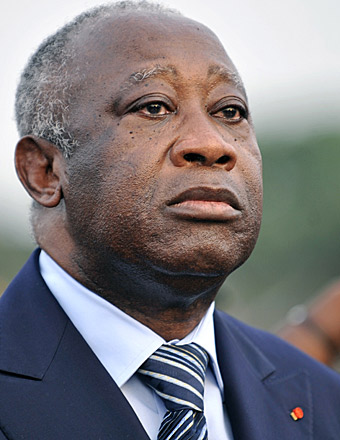
Ivory Coast
Captured
The Ivory Coast's longtime leader, Laurent Gbagbo, was captured at his compound in Abidjan. Gbagbo's capture came after the Ivory Coast's former colonial power, France, acting at the request of the United Nations, unleashed heavy overnight helicopter attacks on the presidential residence bunker where Gbagbo was trapped. Gbagbo was arrested by forces loyal to Gbagbo rival Alassane Ouattara, the internationally recognized winner of the country's November election.
Laurent Gbabo in February 2011.
(Sia Kambou / AFP/Getty Images )
May 2, 2011
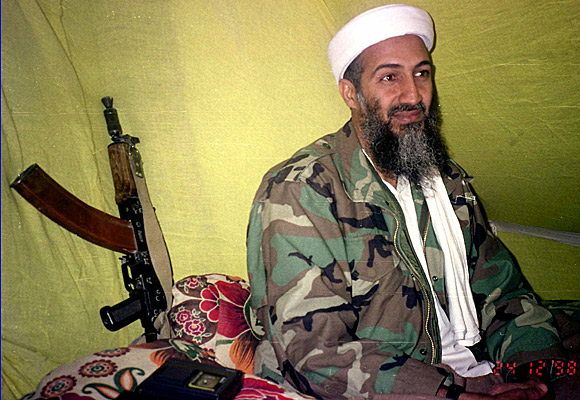
Pakistan
Dead
Osama bin Laden, the world’s most wanted terrorist, was killed in Pakistan as the result of a U.S. military operation, President Obama announced to the nation in May. Bin Laden’s money and preaching inspired the Sept. 11, 2001, terrorist attacks that killed just under 3,000 people in New York, Washington and Pennsylvania, and forever ripped a hole in America’s feeling of security in the world.
Osama bin Laden in 1998.
(Rahimullah Yousafzai / Associated Press)
May 26, 2011
Serbia
Captured
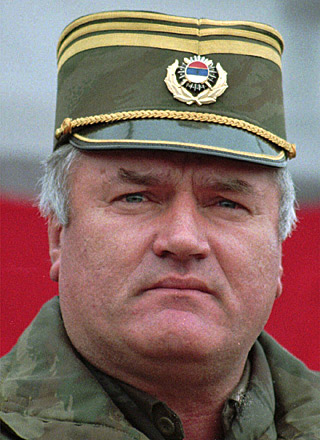
Ratko Mladic, the Bosnian Serb general accused of overseeing the worst massacre in Europe since the end of World War II, was arrested on Serbian soil in May. The massacre at Srebrenica was the biggest atrocity in a campaign of ethnic cleansing, a ruthless drive to get rid of Bosnian Muslims. Overall, about 200,000 people are believed to have died in the conflict.
Ratko Mladic in 1995.
(Oleg Stjepanovic / Associated Press)
Oct. 20, 2011
Libya
Dead
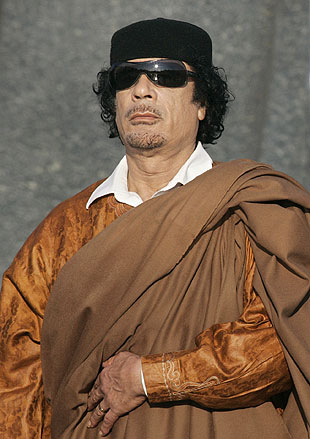
Deposed Libyan leader Moammar Kadafi was captured and killed in the fall of his hometown, Surt. When Kadafi took power in 1969, he embraced an adventurist foreign policy, championing his dream of a utopian, Islamic nation that would span northern Africa. He eschewed both communism and capitalism and called his political system jamahiriya, or “republic of the masses.” He soon evolved into an international troublemaker.
Moammar Kadafi in 2008.
(Sergei Grits / Associated Press)
Nov. 23, 2011
Yemen
Ousted
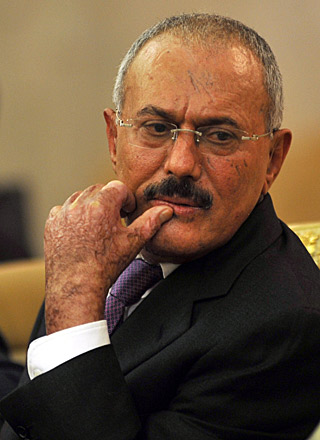
After months of unrest that brought his country to the edge of civil war, Yemeni President Ali Abdullah Saleh signed an agreement in Saudi Arabia to hand power to his vice president in a deal that leaves him immune from prosecution in the deaths of scores of protesters.
Ali Abdullah Saleh in 2011
(Yahya Arhab / EPA )
Dec. 17, 2011
North Korea
Dead
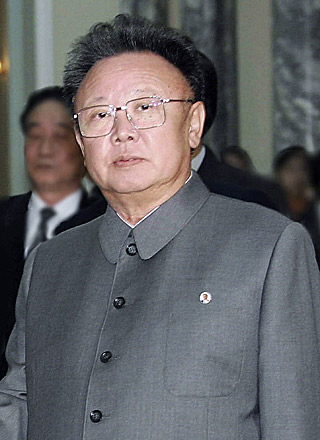
North Korean leader Kim Jong Il, the mercurial strongman extolled at home as the “Dear Leader” and reviled abroad as a tyrant, died at 69. Kim’s death was announced by state television from the North Korean capital, Pyongyang.
Kim Jon Il in 2005.
(Yao Dawei / Associated Press)