The life of Nelson Mandela
Nelson Mandela worked for equality in South Africa from 1942 until his retirement from public life in 2004. Here’s a look at his remarkable life:
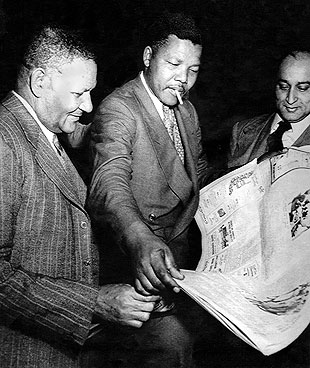
Mandela leads a campaign of civil disobedience calling on the government to repeal all unjust laws. On July 30, Mandela and 19 others are arrested for their roles in the Defiance Campaign. Mandela gets a suspended sentence and is barred from attending meetings or leaving Johannesburg.
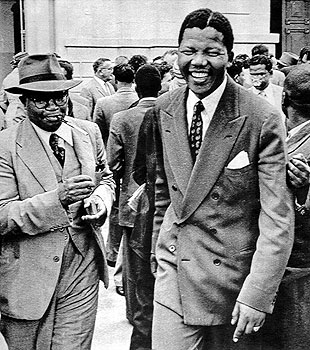
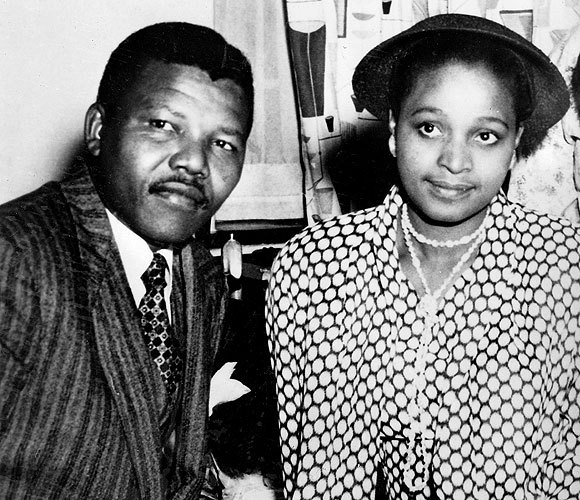
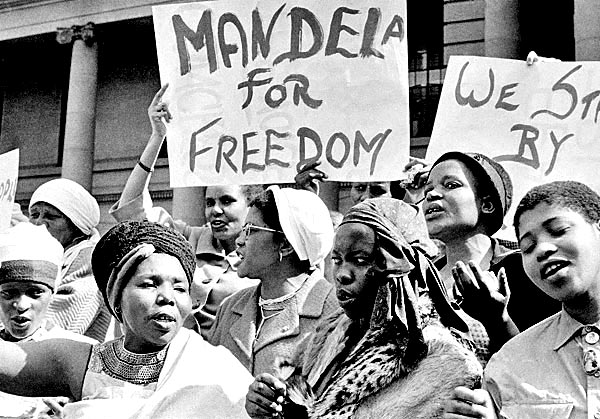
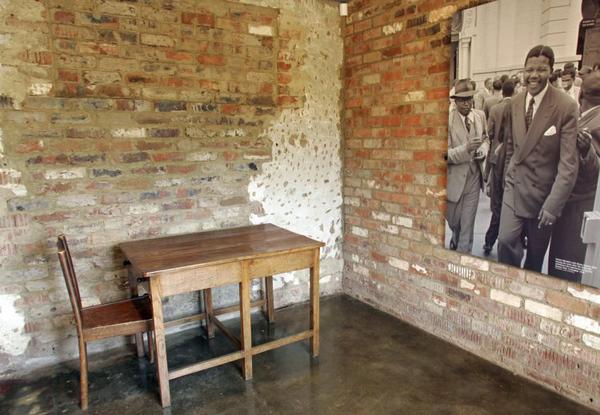
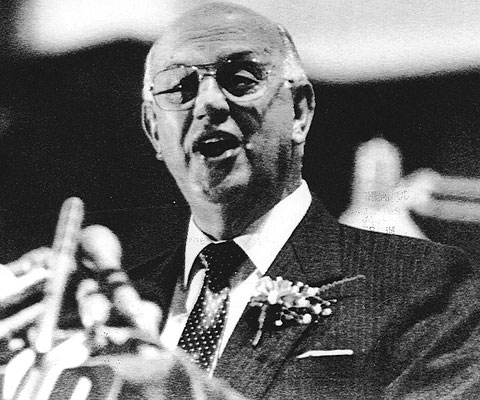
Mandela rejects South African terms for conditional freedom and instead sets forth his own terms for negotiations between his outlawed organization and the nation’s white regime. South African President Pieter W. Botha, in a gesture meant to demonstrate his government’s commitment to reform, had offered to free Mandela and other black nationalist leaders if they renounced violence as a means of fighting apartheid and agreed to obey the country’s strict internal security laws. “I cannot and will not give any undertaking at a time when I and you, the people, are not free,” Mandela said in a message from his prison cell in Cape Town, where he was serving the life sentence imposed in 1964 after his conviction on charges of sabotage and plotting revolution.
Mandela travels 60 miles from Victor Verster Prison to meet with outgoing President Botha at the presidential mansion in Cape Town. One week later, Mandela’s comments come in the first statement by him the government has approved for public release since 1985. “I would also like to confirm that my release is not an issue at this stage. I only would like to contribute to the creation of the climate which would promote peace in South Africa.”
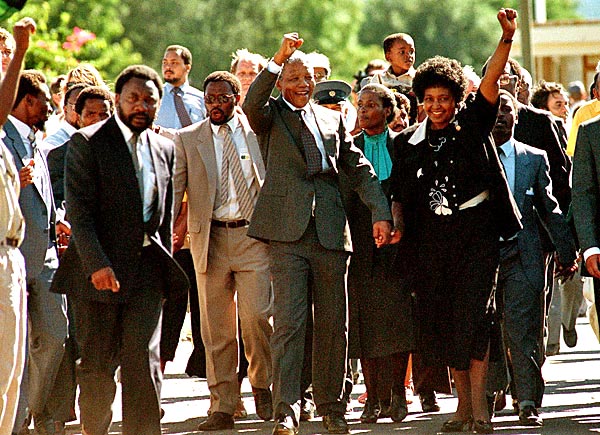
Mandela is released after 27 years in prison to throngs of supporters. Read Mandela’s address to a rally in Cape Town on his release from prison.
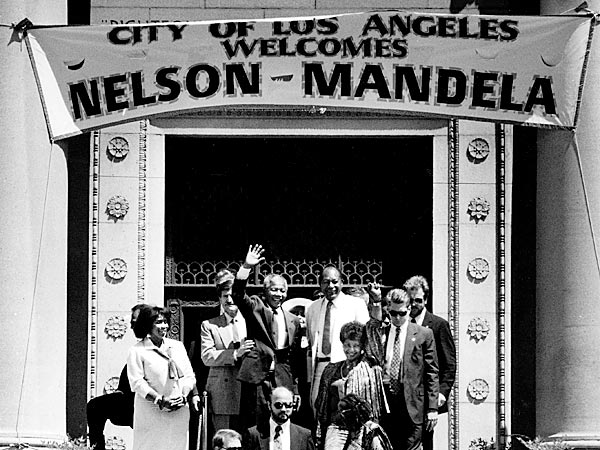
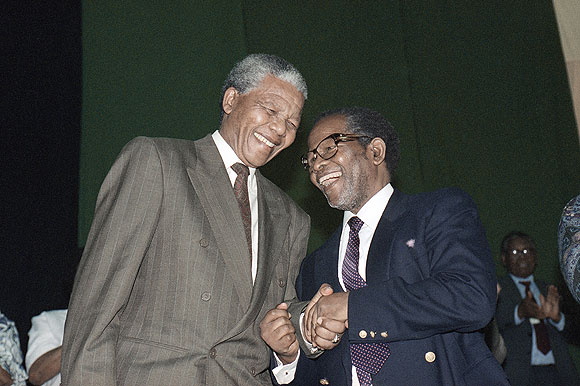
Mandela is elected president of the African National Congress. The voting at the 2,000-delegate national ANC conference, the first such legal gathering of the organization in South Africa in more than three decades, gives Mandela and a new slate of leaders a strong mandate to speak for the black majority in crucial constitutional negotiations expected later in the year.
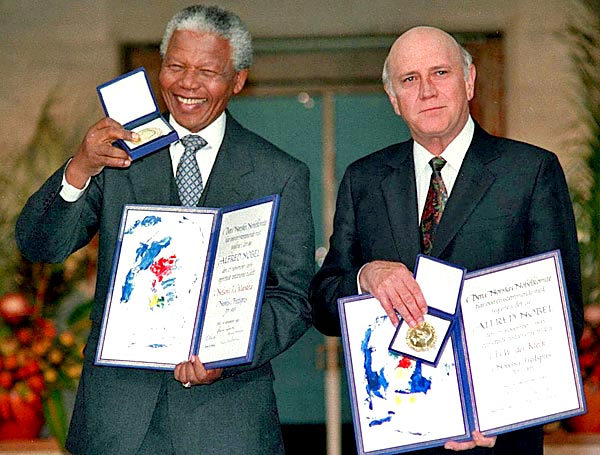
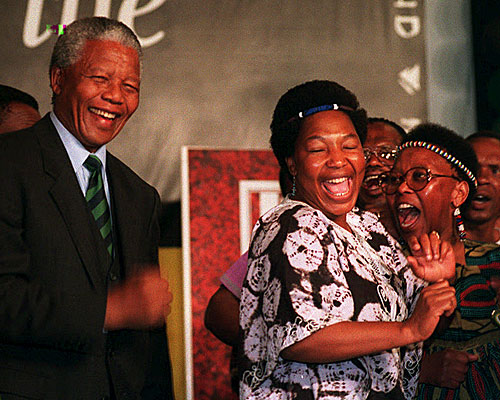
Mandela, 75, declares victory in South Africa’s first all-race election on behalf of his African National Congress party. In an emotional speech before an ecstatic crowd, the silver-haired leader of the African National Congress calls the success of his political and racial revolution “a joyous night for the human spirit” and urges his still-stunned country to “celebrate the birth of democracy.” A week later, Parliament unanimously elects him president.
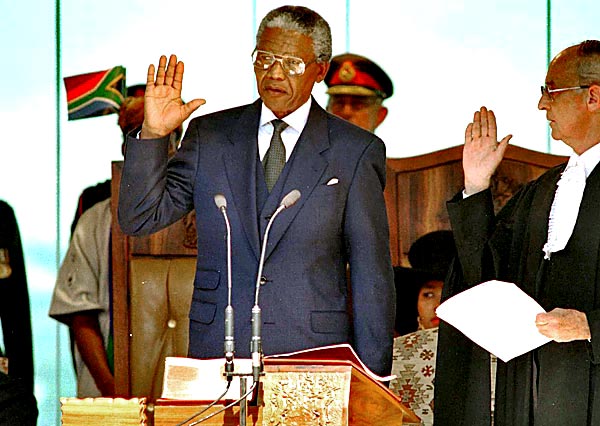
Mandela is sworn in as South Africa’s first black president by Chief Justice Michael Corbett in Pretoria. Princes, presidents and prime ministers — 6,036 dignitaries in all, from nearly every country in the world — watch as Mandela strides to the podium, carefully puts on his gold reading glasses and begins to read the 133-word oath of office with his left hand on a goatskin-covered Bible. Listen to Mandela’s inaugural speeech.
In his first State of the Nation speech Mandela outlines his vision for South Africa. The nationally televised speech before a joint session of the multiracial National Assembly and Senate in the Parliament building in Cape Town sets a healing tone and a moderate course for the new democracy as it struggles to shed the social and economic inequities of apartheid.
Mandela addresses the U.N. General Assembly for the first time as president of South Africa and pledges to wipe out racism in his divided country. Since his release from prison in 1990, Mandela had spoken at the United Nations twice before. Mandela says the historic change in South Africa “has come about not least because of the great efforts in which the U.N. engaged to ensure the suppression of the apartheid crime against humanity.”
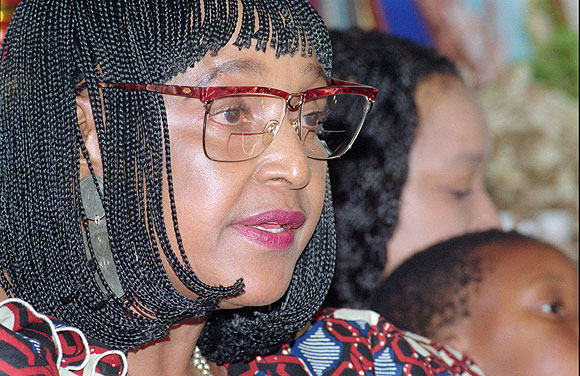
After weeks of criticism and controversy, Mandela personally fires his estranged wife, Winnie, as a deputy Cabinet minister for insubordination. She is later reinstated on a legal technicality, but he quickly fires her again. She resigns hours before the second dismissal takes effect.
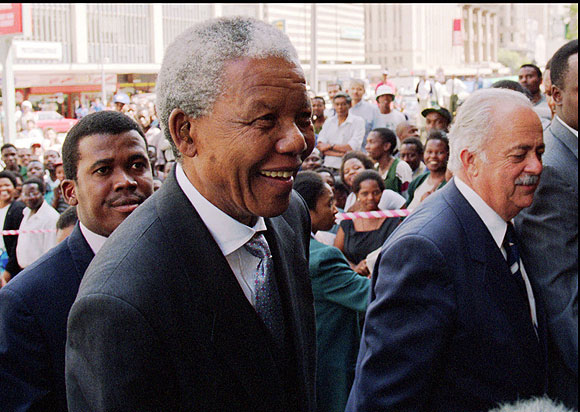
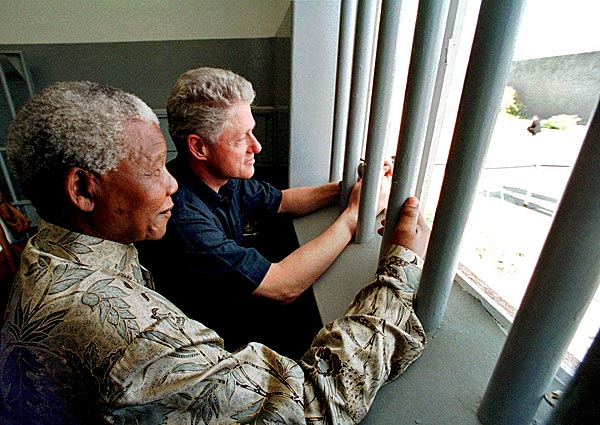
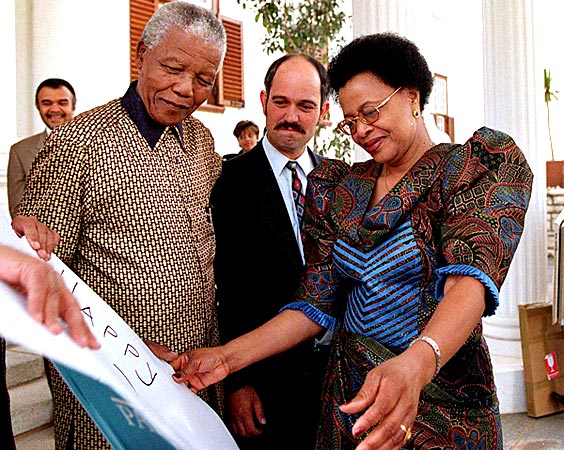
Mandela marries Graca Machel of Mozambique on his 80th birthday. The couple, who met in 1990 shortly after Mandela was released from prison, have been publicly seeing each other for about two years. Machel, 52, is a lawyer and the widow of Mozambican President Samora Machel.
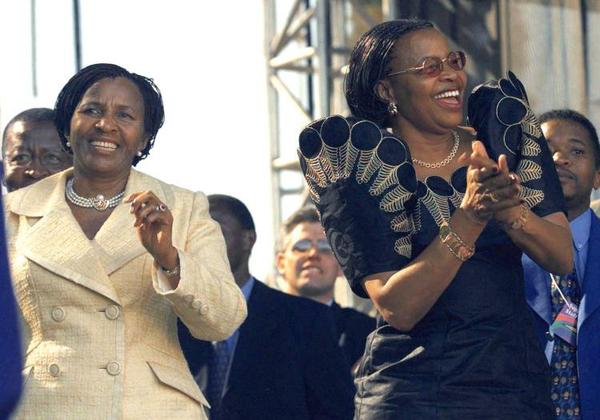
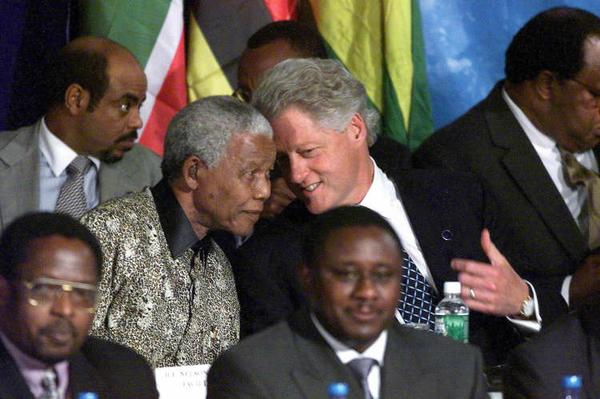
At the 15th International AIDS Conference in Bangkok, Thailand, Mandela makes an impassioned plea for more funds to fight tuberculosis, the lung disease that is the leading cause of death amoung AIDS victims in Africa. “We cannot win the battle against AIDS if we do not also fight TB. TB is too often a death sentence for people with AIDS. It does not have to be this way,” he says. Friends say it could be among his last public appearances.
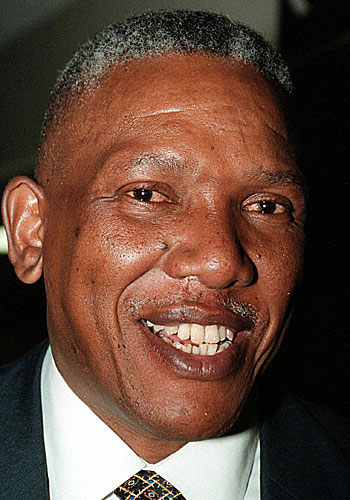
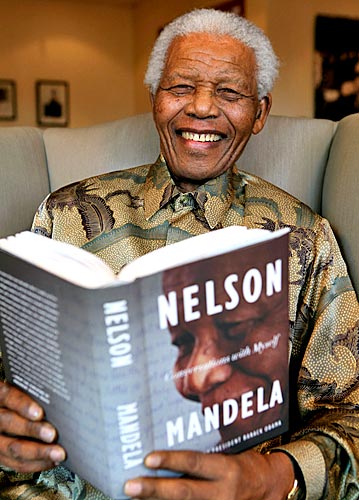
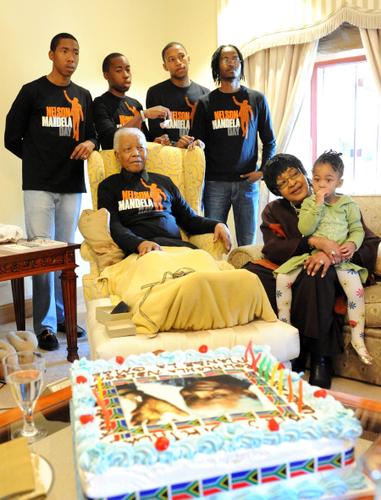
Mandela celebrates his 93rd birthday with family in his rural hometown. South Africans are encouraged to mark Mandela Day, which began in 2009, by giving 67 minutes to a humanitarian cause — or just to do a good deed — in honor of Mandela’s 67 years of public service to his country.
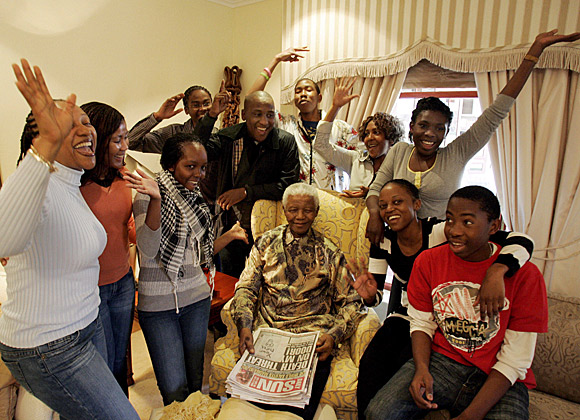
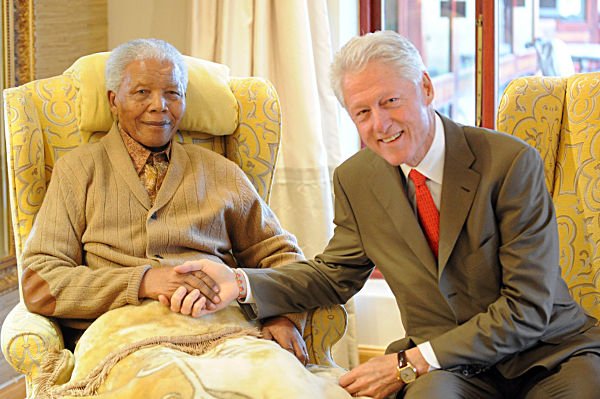
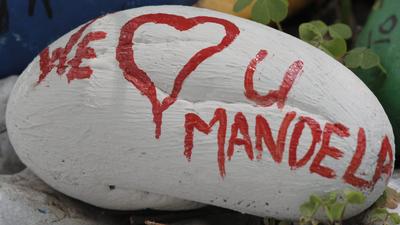
South Africans heave a sigh of relief as their beloved anti-apartheid hero, Nelson Mandela, is sent home from the hospital after almost three weeks. The office of President Jacob Zuma says Mandela will continue to get medical treatment at his home in the upscale northern Johannesburg suburb of Houghton.
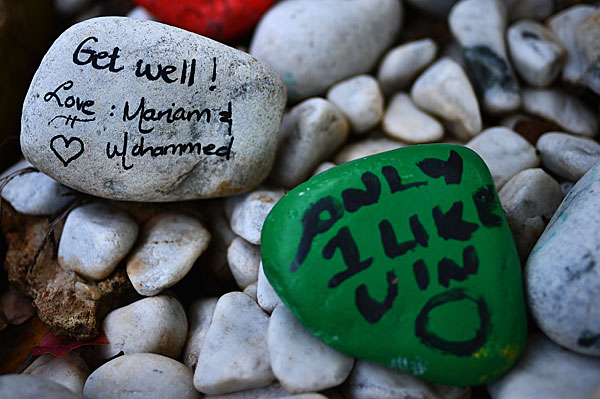
Mandela is discharged from a hospital after 10 days of treatment for pneumonia. He also had been hospitalized with breathing difficulties the previous month, as well, prompting alarm about his health. South African officials report that Mandela will continue to receive medical care at home.
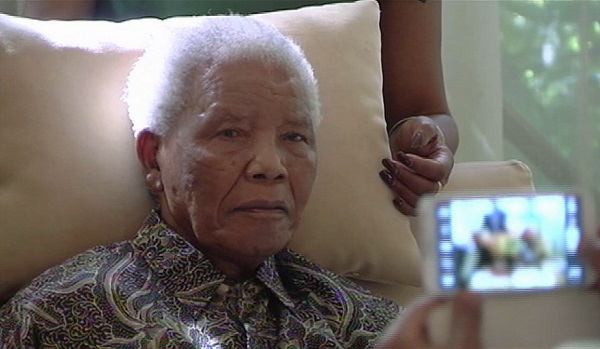
Mandela suffers a recurrence of lung infection. A statement from the office of President Jacob Zuma says his condition deteriorated overnight and he was transferred to a Pretoria hospital. “He remains in a serious but stable condition,” the statement says.
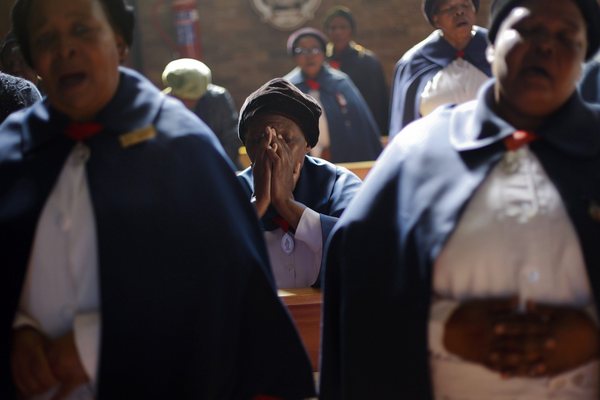
Nelson Mandela’s health is now in critical condition. The office of President Jacob Zuma said in a statement that he had visited the 94-year-old anti-apartheid leader at a hospital Sunday evening and was informed by the medical team that Mandela’s condition had become critical in the past 24 hours.
“The doctors are doing everything possible to get his condition to improve and are ensuring that Madiba is well-looked after and is comfortable. He is in good hands,” Zuma said in the statement, using Mandela’s clan name.
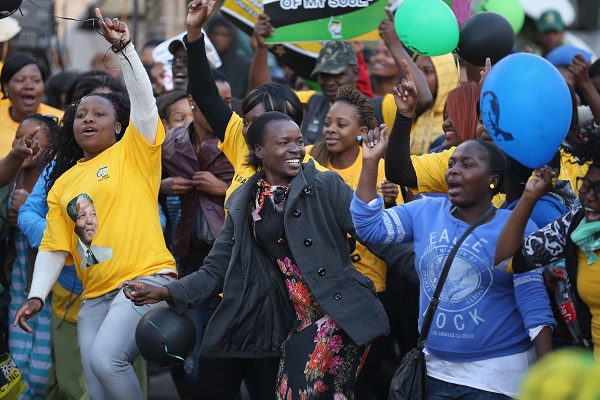
Joyful crowds gather to celebrate Nelson Mandela’s 95th birthday outside the Pretoria hospital where he is being treated. South African President Jacob Zuma visits the anti-apartheid hero and releases a statement saying that Mandela’s health continues to improve.
Sources: Times research, The Nelson Mandela Foundation
Credits: Maloy Moore, Ben Welsh, Scott Wilson, Alexandra Zavis, TimelineSetter